Event Category: Exhibition
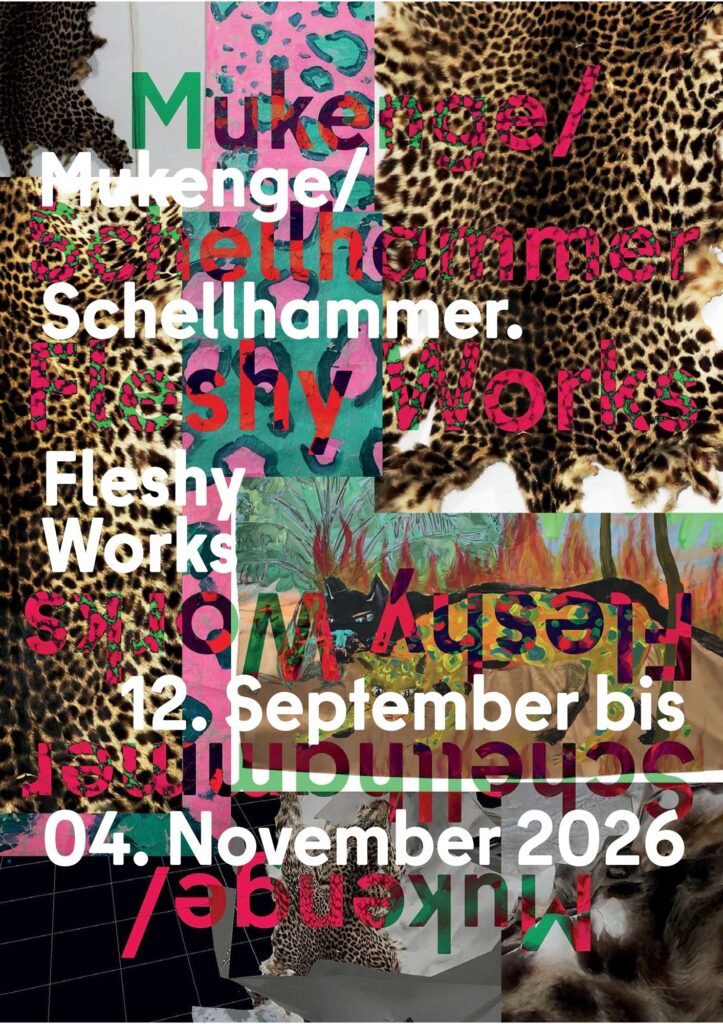
Mukenge/Schellhammer. Fleshy Works
Mukenge/Schellhammer is an artist duo consisting of Christ Mukenge (b. 1988, Kinshasa, DR Kongo) and Lydia Schellhammer (b. 1992, Konstanz, Deutschland). They live and work between the Democratic Republic of Congo and Germany. Their artistic practice is shaped by a dynamic confrontation of Congalese and Western art traditions. Mukenge/Schellhammer explore new possibilities for painting in the post-digital age, extending their painterly approach across various media including AR, VR, video, and performance.
DIE KIDS SIND NICHT ALRIGHT! 2
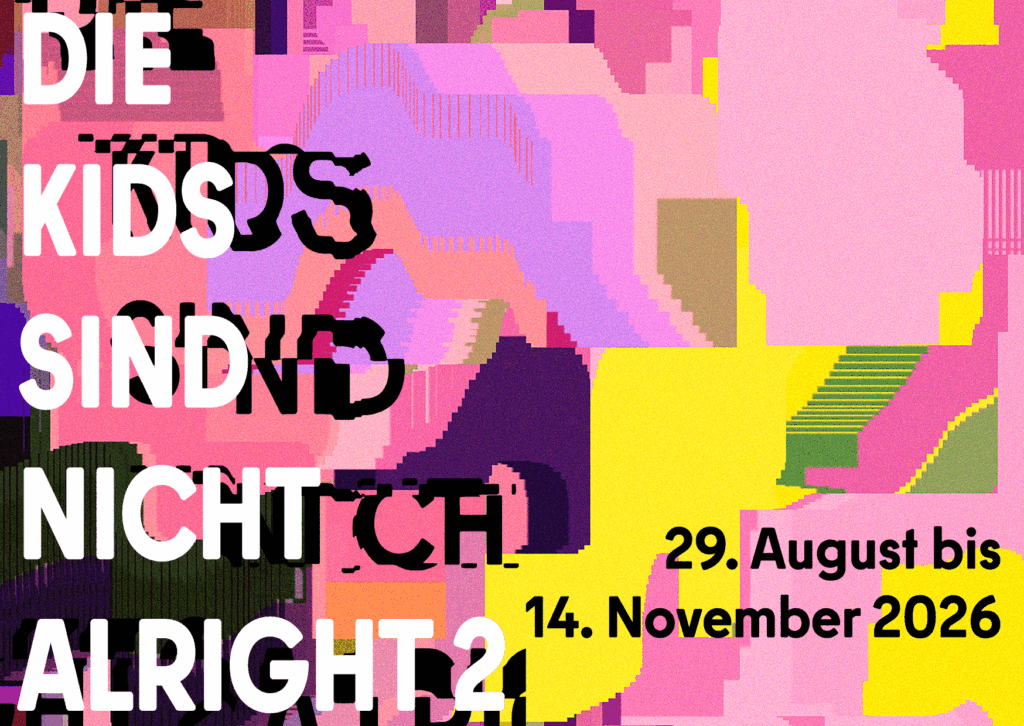
A follow-up to the group exhibition Die Kids sind nicht alright! 2 (The Kids Are Not Alright! 2), the exhibitionfocuses on a generation of artists who did not consciously experience the fall of the Berlin Wall, but found the years that followed formative. These artists grew up in East Germany and grapple with their own socialisation. The exhibition also brings together artists who live or have lived in East Germany and in their work reflect on the history of Germany’s internal division and the ongoing consequences.
The exhibition also picks up stories that have long been marginalised or faded from public memory: the lifelong contributions of GDR contract workers, the hatred and exclusion directed at people perceived as ‘other,’ as well as the exclusion of migrant life stories and voices of Germany’s culture of remembrance. Such experiences do not live solely in the past; their consequences and continuities remain a scial reality to this day.
The exhibition features works by Anna Sophia Barth (born 1988 in Saalfeld), Clara Maria Bennewitz (born 1999 in Bonn), Arijit Bhattacharyya (born 1994 in Bally, India), Malte Fröhlich (born 1987 in East Berlin), Minh Duc Pham (born 1991 in Schlema), Maria Kindling (born 1985 in Halle), Eric Meier (born 1989 in East Berlin) and Manuel Sékou (born 1991 in Dresden).
Silberstreif
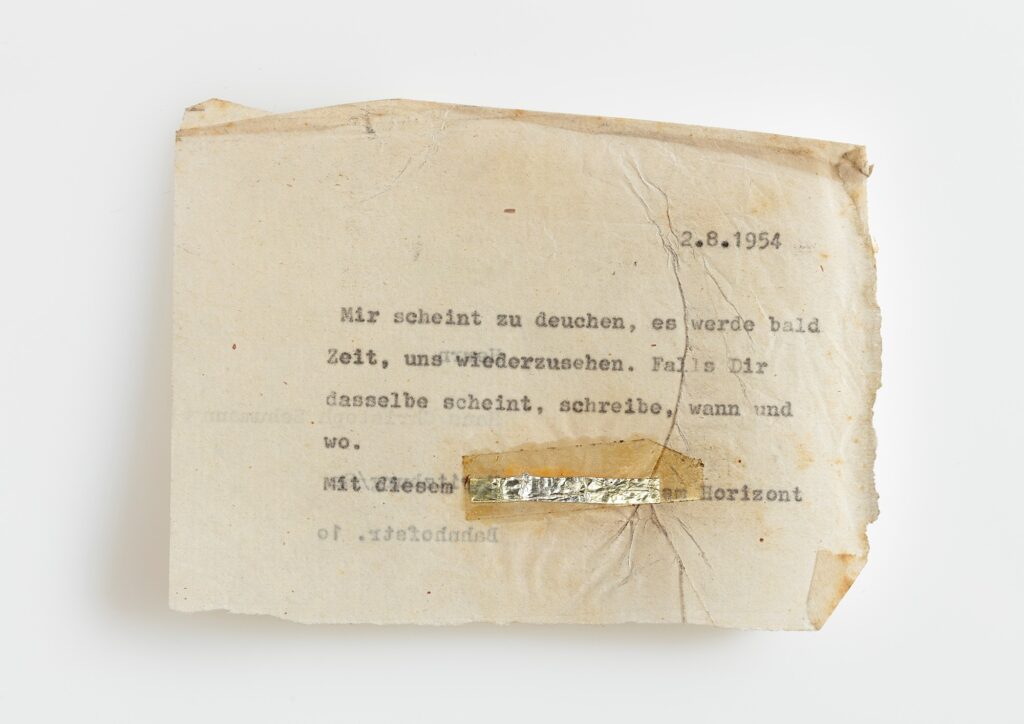
Silberstreif (Silver Lining), an exhibition by artist Daniela Friebel, is based on the estate of an East German particle physicist from the early period of divided Germany. The letters and photographs trace the coming-of-age of a young man finding his intellectual and existential footing in period of historic upheaval. The physical substance of the documents — creases, handwriting, punch marks — becomes image carrier, sign, metaphor. From this personal correspondence arise visual condensations that point beyond the biographical, raising fundamental questions about freedom, arbitrariness, and responsibility in that era of increasing political rigidity.
FRACTURE
This year’s overarching theme is ‘FRACTURE’ — a condition of breaks and ruptures that can surface in questions of content as much as in materials, execution, and technical processes. The fractures emerges here as both an experience and as an artistic device: as fragmentation, interruption, or displacement that alters perception. The exhibition includes paintings, drawings, sculpture, installation, textiles, and video.
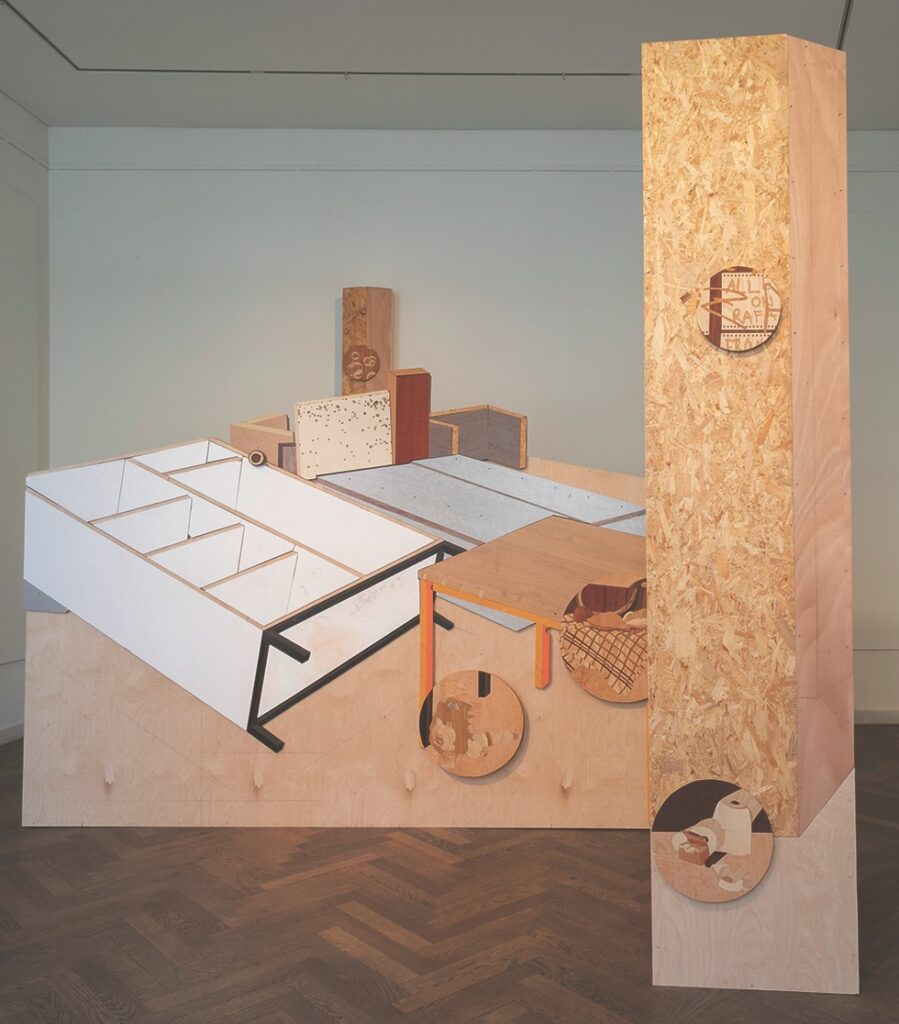
Controlled Burn
For her exhibition Controlled Burn, Berlin-based Serbian artist and photographer Mirjana Vrbaški (b. 1978) takes nature photographs, transfers them onto wooden panels, and then chars the image. Through this process, she investigates the element of fire as both a destructive and transformative force from which new life and new pictorial spaces emerge. Building on her controlled engagement with fire, Vrbaški also develops photographic works, pieces on glass, and wood sculptures. The exhibition opens up a space for reflection, in which destruction and creation, emergence and decay are experienceable in a new way.
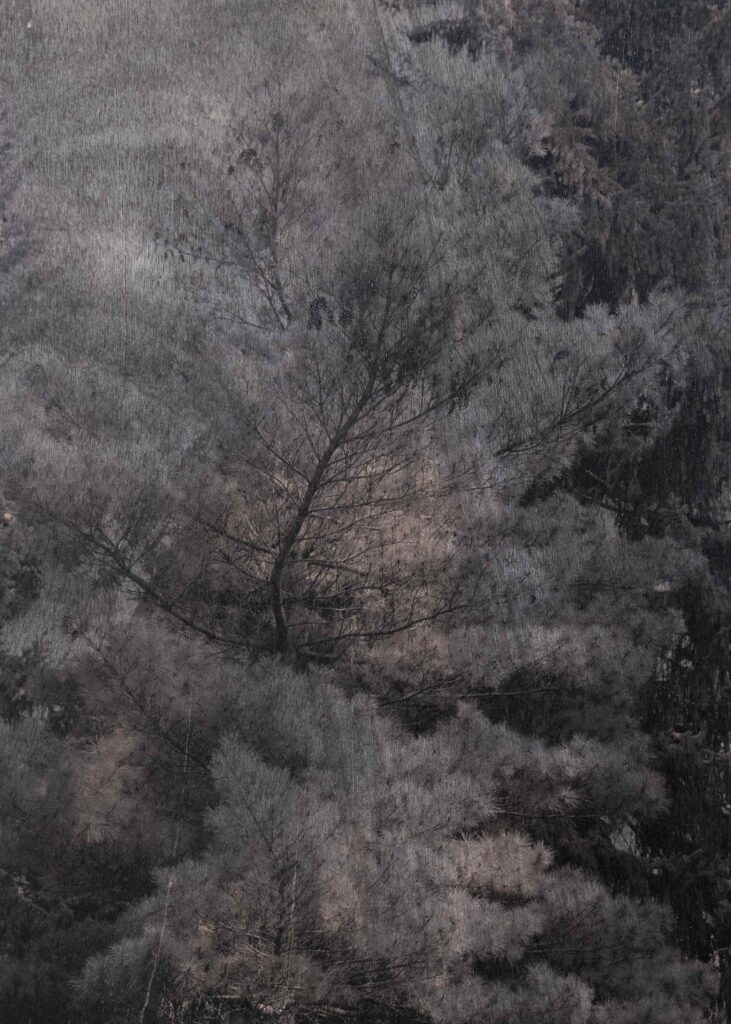
Die Mütter
Die Mütter (The Mothers), curated by Christine Nippe, brings the work of Isaac Chong Wai and the late Käthe Kollwitz into a cross-generational dialogue. At the core of the exhibition are the life cycle in its vulnerability and resilience, the relationship between mothers and their children in times of war and conflict, and the connections between the past and the present. What forms of guilt, grief, and anger are awakened? How can memory and grief be carried forward through generations?
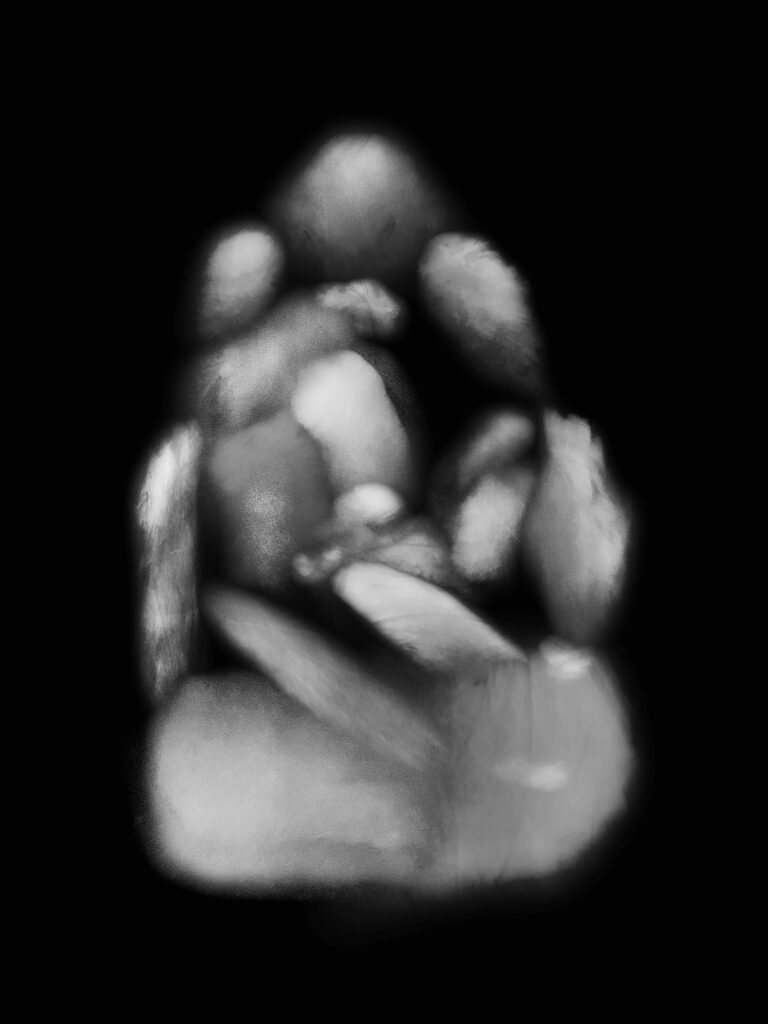
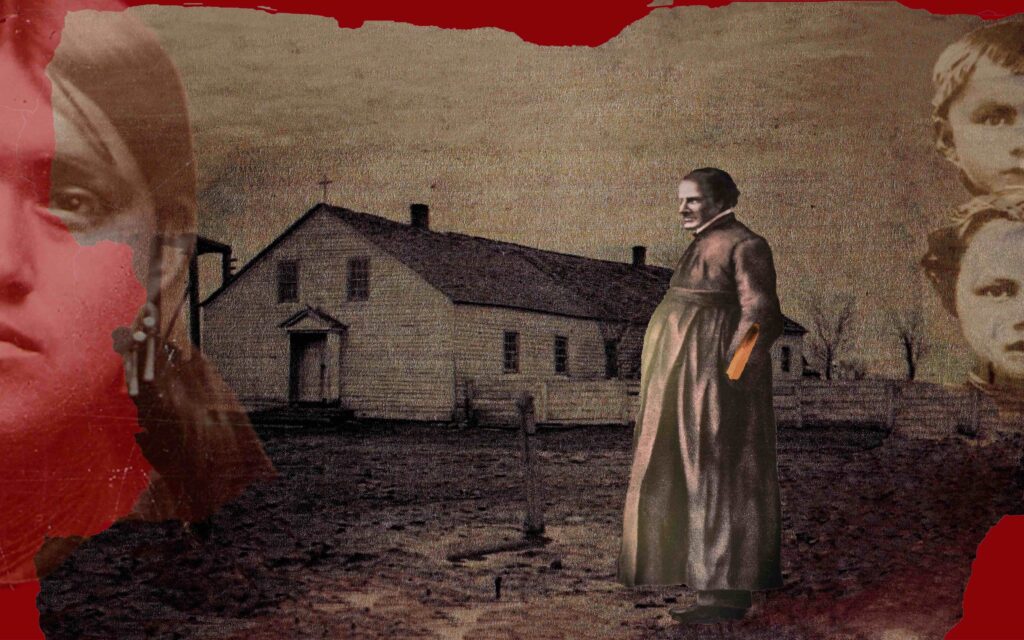
Antje Majewski & Jen Tiger – Osage Orange
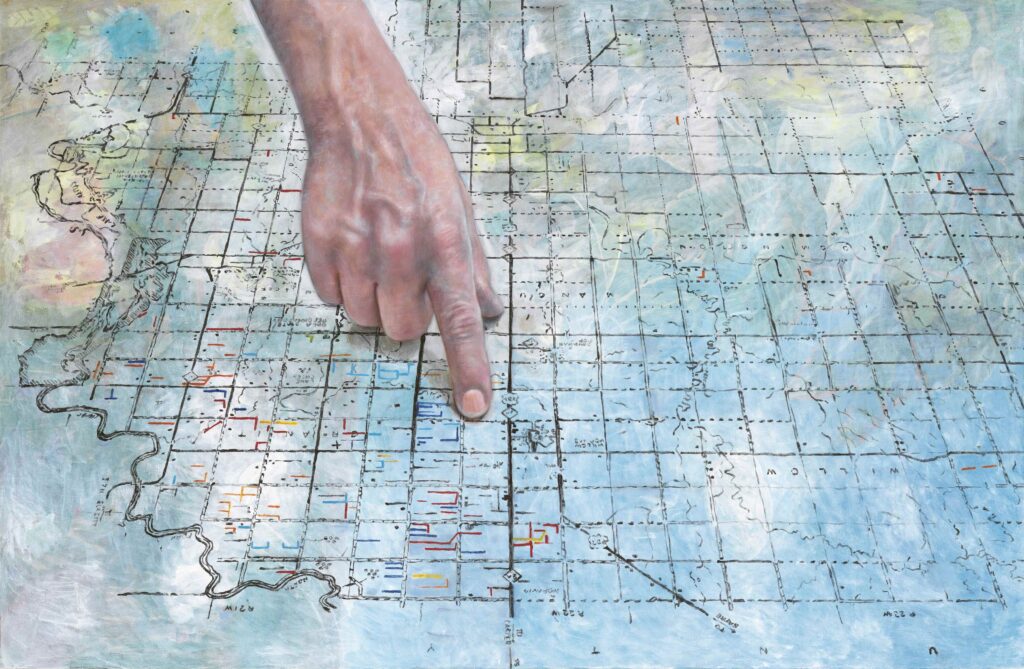
The Osage Orange exhibition by artists Antje Majewski and Jen Tiger tells a story through a tree native to the US, the Osage orange (Maclura pomifera), that weaves together Indigenous culture, colonisation by European settlers, land use, and ecological catastrophe. The exhibition features paintings, collages, metalwork, and video.
Half Life Chornobylv
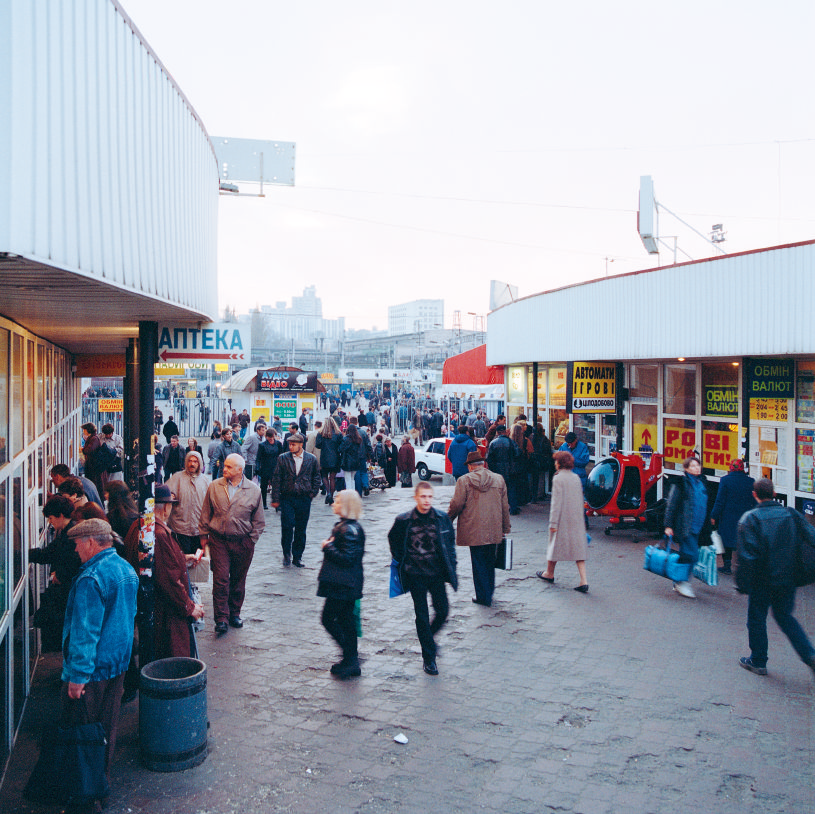
April 26, 1986. An accident beyond any anticipated worst-case scenario involving civilian nuclear power unfolded at Chernobyl. Photographer Volker Kreidler was at the site ten years after the accident, in 1995, and then again in 2015 and in 2025. He documented the people, vegetation, the surroundings, and the political developments. The Half Life Chornobyl exhibition at Zitadelle Spandau is a comprehensive presentation of Kreidler’s long-term project, a manifesto that visualises the limits of our control over a highly technologized world.
Experiment und Eigensinn
Seit 1997, the Mart Stam Society, friends of the Kunsthochschule, has awarded the Mart Stam Prize each year for outstanding graduating work across all disciplines, deliberately setting aside the usual separation of art and design. The society is named after Dutch architect Mart Stam (1899–1986), who served as the director of the Kunsthochschule from 1950 to 1952. Stam was among the pioneers of modernism who understood their work as connected to a broader social context.
Wenn Tiere sprechen könnten
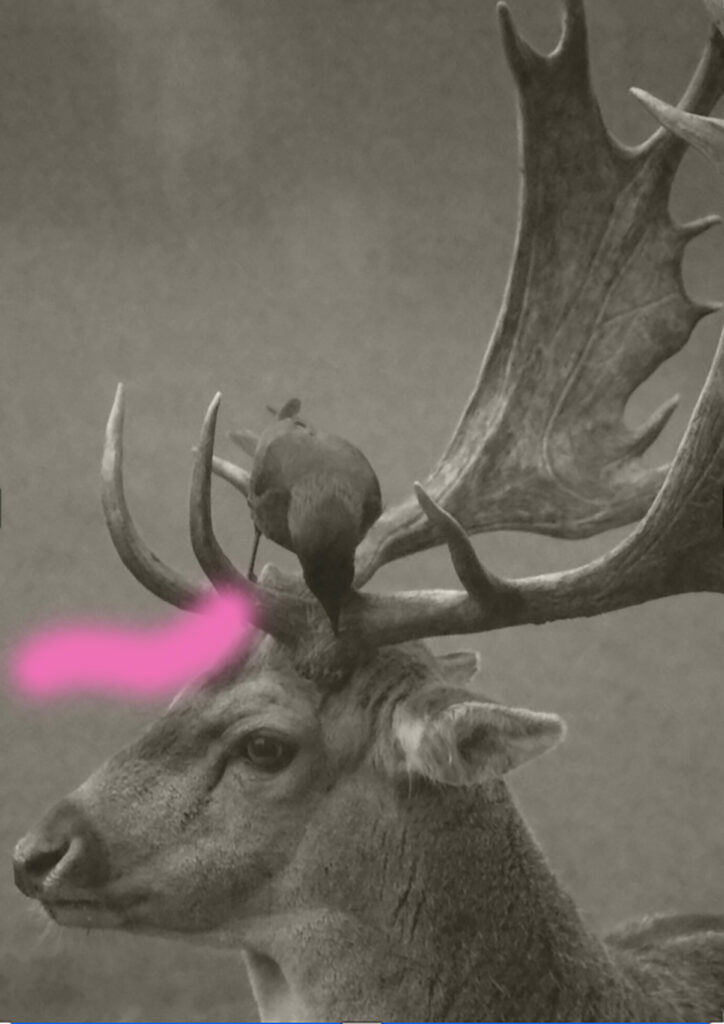
Working from an extensive archive of artistic material, Funda Özgünaydın (b. 1978, Frankfurt/Main) creates hybrid visual realities through collaging, deconstructing, and (re)constructing heterogeneous elements. She generates new perspectives on pictorial conventions and established narratives through a constant interplay between photographic source material, applied materials, and subjective overpainting. Genre boundaries dissolve in the process, as do the textures of artistic techniques.